
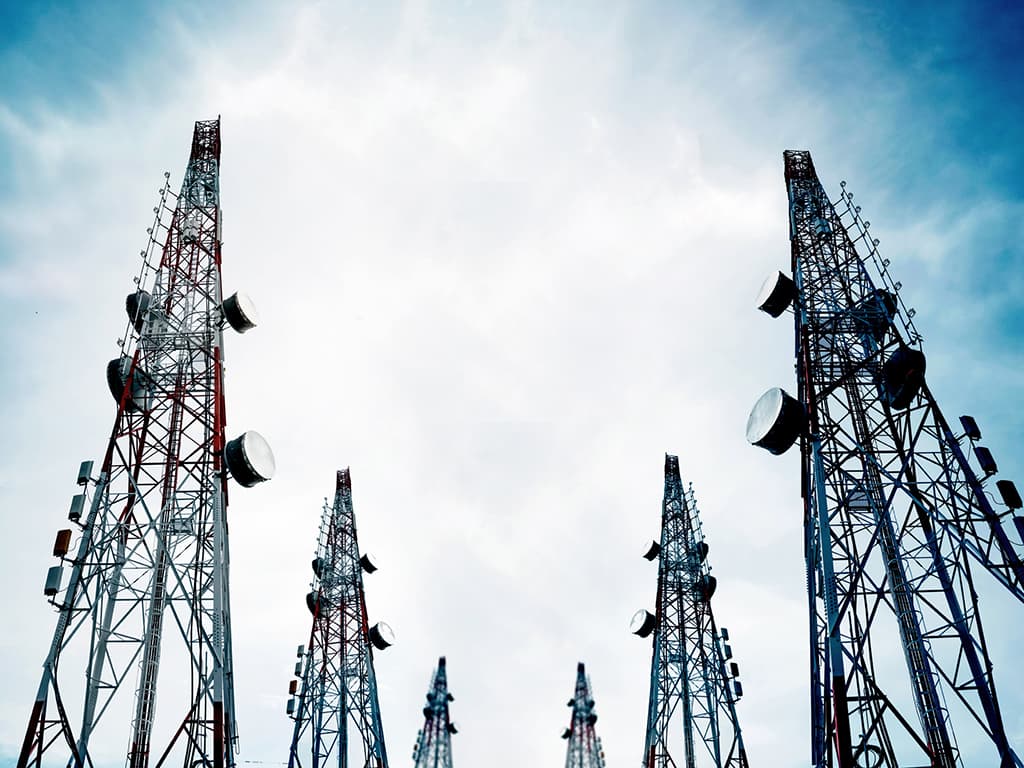
Background: The LTE mobile service provide encountered several challenges in managing their base transceiver station (BTS) sites, including issues of fuel theft, electricity misuse, missing spare parts, telecom equipment, etc. These challenges resulted in significant financial burdens and high maintenance costs per site. To overcome these obstacles, the company sought expert support and decided to implement lean six sigma (LSS) methodology. This case study focuses on the implementation process, which involved data collection, error analysis, and identifying improvement opportunities. It showcases the achieved improvements in key performance indicators and cost reduction through the successful application of LSS
Challenges: The telecom company faced the following challenges in managing their BTS sites operations:
- The company experienced significant losses due to fuel theft at the BTS sites (fuel theft)
- There were several instances of electricity misuse, leading to higher costs and inefficiencies (misuse of electricity)
- Missing or misplaced spare parts caused delays in maintenance activities and increased costs (inventory control)
- Above mentioned issues resulted in high maintenance costs per site – impacting the company’s financial performance (financial loss)
Approach: To overcome these challenges, the company engaged SUPRA Partners to implement LSS methodologies focusing on the following improvement levers:
- Comprehensive analysis of the end-to-end processes involved in managing BTS sites was conducted using value stream mapping. This helped identify areas of waste, bottlenecks, and opportunities for improvement
- Fishbone diagram was used to identify and analyze the root causes contributing to fuel theft, electricity misuse, and spare parts inventory issues
- DMAIC (define, measure, analyze, improve & control) approach was followed to guide the problem-solving process, ensuring systematic and data-driven decision-making
Achievements: The implementation of LSS methodologies resulted in significant improvements in performance indicators and cost reduction. The following outcomes were achieved:
- Fuel refilling leakage controlled through the identification of root causes and the implementation of control measures, fuel refilling leakage was reduced by 11%. This reduction contributed to substantial cost savings
- Refilling time improved by process optimization and the elimination of non-value-added steps led to a 9% improvement. This improvement increased operational efficiency and productivity
- Site downtime due to maintenance issue improved by addressing spare parts management issues and streamlining maintenance processes – issues was reduced by 45%. This reduction enhanced overall network availability and customer satisfaction
- Financial benefits amounting to ~ USD 27,000 per month were validated & reported. Additionally, there were reported financial benefits resulting from the improvement in user experience, in addition to mentioned value
Conclusion: By leveraging LSS the telecom company successfully addressed the challenges associated with effective control of BTS site management. The reduction in fuel refilling leakage, improvement in refilling time, and the substantial reduction in site downtime due to maintenance issues demonstrate the effectiveness of LSS in enhancing operational efficiency, reducing costs, and driving overall performance improvement and user experience