
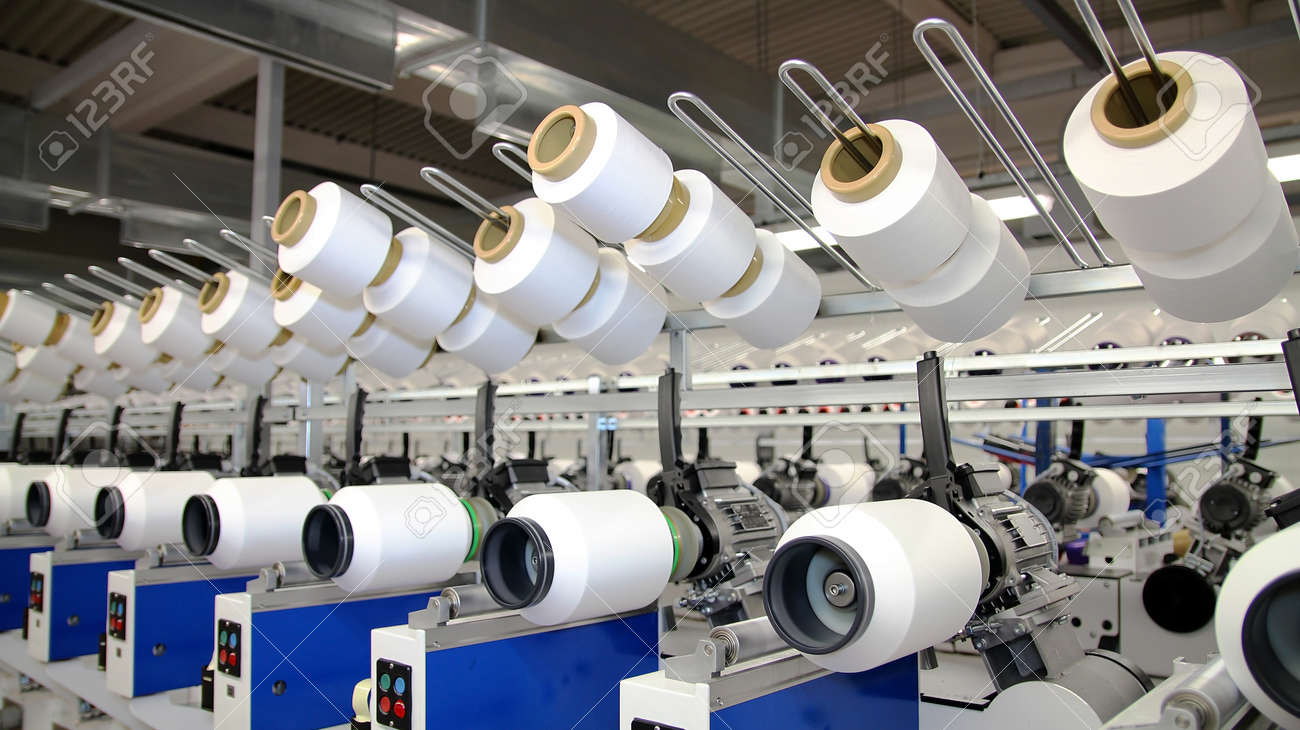
Introduction: In recent years, the textile knitwear industry has experienced a remarkable transformation, thanks to the advent of industrial automation. This powerful technology has revolutionized production processes, leading to significant improvements in efficiency, quality, and consistency. In this article, we will explore the impact of industrial automation on knitwear production and how it has helped businesses overcome challenges while achieving remarkable success
The Power of Industrial Automation: Industrial automation involves the use of advanced technologies, such as robotics, artificial intelligence and machine learning to streamline and automate production processes. By implementing automation solutions, textile knitwear manufacturers have witnessed a paradigm shift in their operations
Increased Efficiency: Industrial automation has significantly increased production efficiency in the knitwear industry. Automated machines and robotic systems can perform tasks with precision and speed, minimizing human errors and reducing production time. This has led to faster turnaround times, increased output and improved productivity
Enhanced Quality and Consistency: One of the key advantages of industrial automation is its ability to ensure consistent quality in knitwear production. Automated processes maintain tight control over parameters such as stitch tension, fabric thickness, and pattern accuracy, resulting in uniform and high-quality products. With automation, manufacturers can meet customer expectations, reduce defects and enhance brand reputation
Controlled Production Loss: Industrial automation has enabled knitwear manufacturers to effectively address production loss. By implementing smart monitoring systems and real-time data analytics, potential issues and bottlenecks can be detected and addressed promptly. This proactive approach minimizes downtime, reduces material waste and optimizes resource utilization
Examples of Transformation: The impact of industrial automation can be seen across both developed and developing countries in the textile knitwear industry. For instance, in developed countries like Germany and Japan, sophisticated knitting machines equipped with automation technologies have led to remarkable efficiency gains and higher production volumes. Meanwhile, in developing countries like Bangladesh and India, automation has empowered manufacturers to improve quality control, increase production capacity and meet global demands
Success and Improvement Metrics: The adoption of industrial automation has yielded impressive results for knitwear manufacturers. Companies have reported up to 30% reduction in production cycle times, 20% decrease in defects, and 15% increase in overall productivity. These numbers highlight the tangible benefits of automation and its positive impact on the industry
Conclusion: Industrial automation has undoubtedly transformed the textile knitwear industry, paving the way for greater efficiency, improved quality and enhanced productivity. By embracing automation, manufacturers can achieve operational excellence – stay competitive in the market, and meet the evolving demands of customers